
Custom Food Packaging Boxes for Small Businesses: Bakery, Coffee, Pizza, Snacks & More
2026-06-01 21:28:24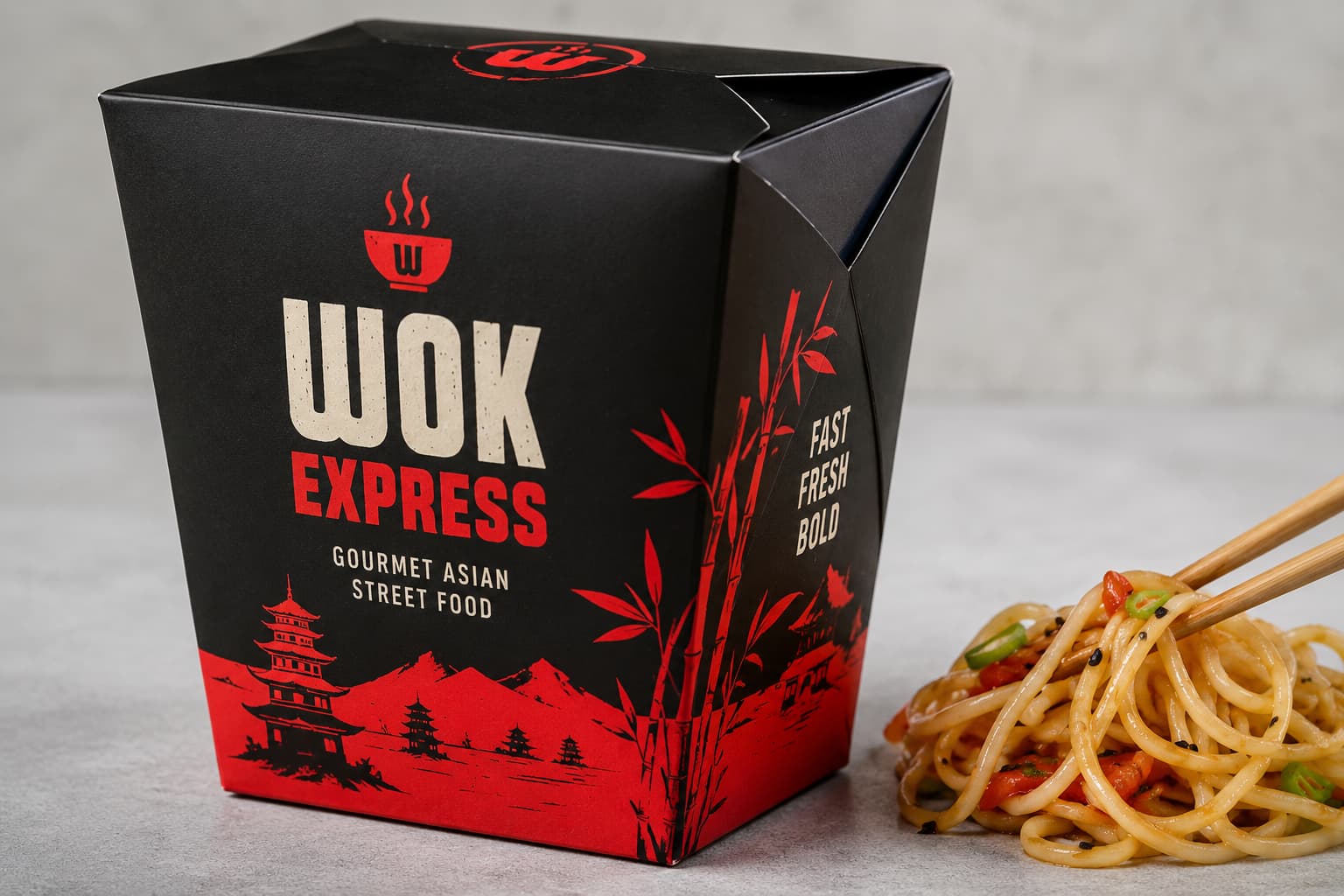
Custom Food Packaging Boxes for Small Businesses: Bakery, Coffee, Pizza, Snacks & More
Food packaging is one of the most important parts of selling food products. It protects the product, keeps it presentable, supports branding, and helps customers trust what they are buying. For small food businesses, the right packaging can make a product look more professional and help it stand out in a crowded market.
Whether you sell bakery items, pizza, coffee, snacks, popcorn, chocolates, frozen foods, dry goods, or takeaway meals, custom food packaging boxes can improve how customers see your brand. A plain box may hold the product, but a custom printed food box can create a stronger impression and make your business easier to remember.
Food customers often judge the product before tasting it. They look at the box, colors, logo, product name, freshness cues, and overall presentation. If the packaging looks clean, professional, and trustworthy, the food inside feels more valuable.
For small businesses trying to build brand recognition, custom packaging is not just decoration. It is a marketing tool, a product protection solution, and a customer experience builder.
If you are building a growing brand, you can also read our guide on custom packaging for small businesses to understand how branded packaging helps small companies look more professional.
What Are Custom Food Packaging Boxes?
Custom food packaging boxes are packaging boxes designed specifically for food products. They can be customized by size, shape, material, printing, finish, and branding. Instead of using plain packaging, businesses can create boxes that match their food type and brand identity.
These boxes can be used for many food categories, including bakery products, pizza, coffee, snacks, popcorn, pasta, chocolates, sweets, frozen foods, and restaurant takeaway items. Each product has different packaging needs, so custom sizing and material selection matter.
Custom food boxes can include logos, brand colors, product names, ingredients, nutrition details, barcodes, QR codes, serving instructions, and social media handles. This helps businesses communicate clearly with customers while making the packaging look professional.
Good food packaging should balance three things: product protection, presentation, and brand trust.
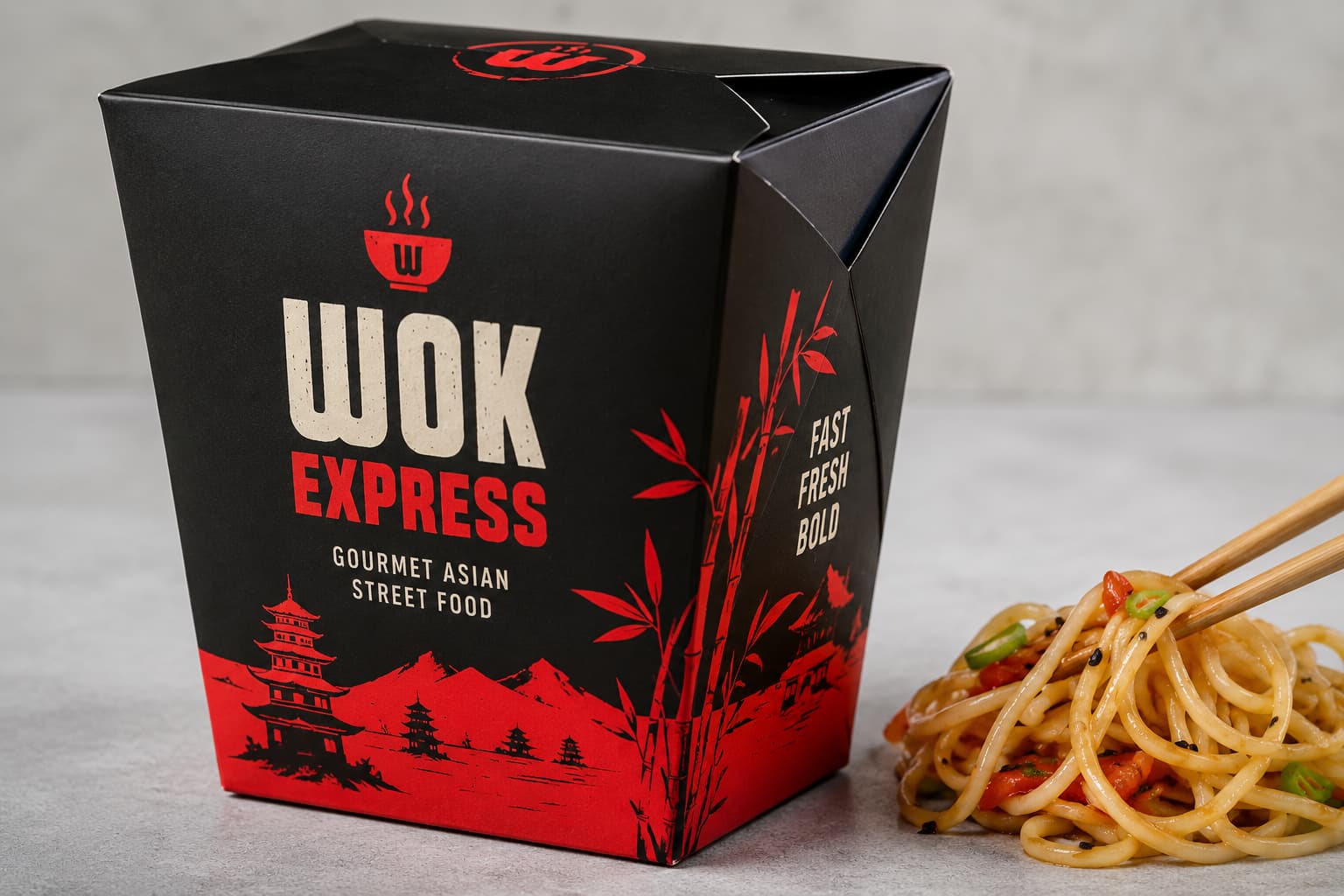
Why Food Packaging Matters for Small Businesses
Small food businesses often compete with larger brands, local competitors, and online sellers. Packaging can help create a stronger first impression and make the product feel more premium.
For retail food products, packaging helps attract attention on shelves. For bakeries and restaurants, packaging affects the takeaway experience. For ecommerce food brands, packaging helps protect the product during delivery and creates a better unboxing experience.
Food packaging also supports customer confidence. Customers want food products to look clean, fresh, and properly packed. A professional box can make the product feel more reliable and carefully prepared.
Packaging also helps with repeat purchases. If customers remember your logo, colors, and packaging style, they are more likely to recognize your brand again.
Benefits of Custom Food Packaging Boxes
Custom food packaging boxes offer several benefits for small food businesses.
First, they improve product presentation. A well-designed box can make simple food items look more premium and gift-ready.
Second, they support branding. Your logo, colors, and design make your food business easier to recognize.
Third, they help organize product information. Ingredients, flavors, product names, serving details, and QR codes can be printed clearly on the box.
Fourth, they improve customer experience. Good packaging makes takeaway, delivery, gifting, and retail shopping feel better.
Fifth, they support marketing. Attractive food packaging looks better in photos, reels, menus, websites, and social media posts.
For small food brands, packaging can become part of the product’s value. Customers may buy again not only because the food tastes good, but also because the full experience feels professional.
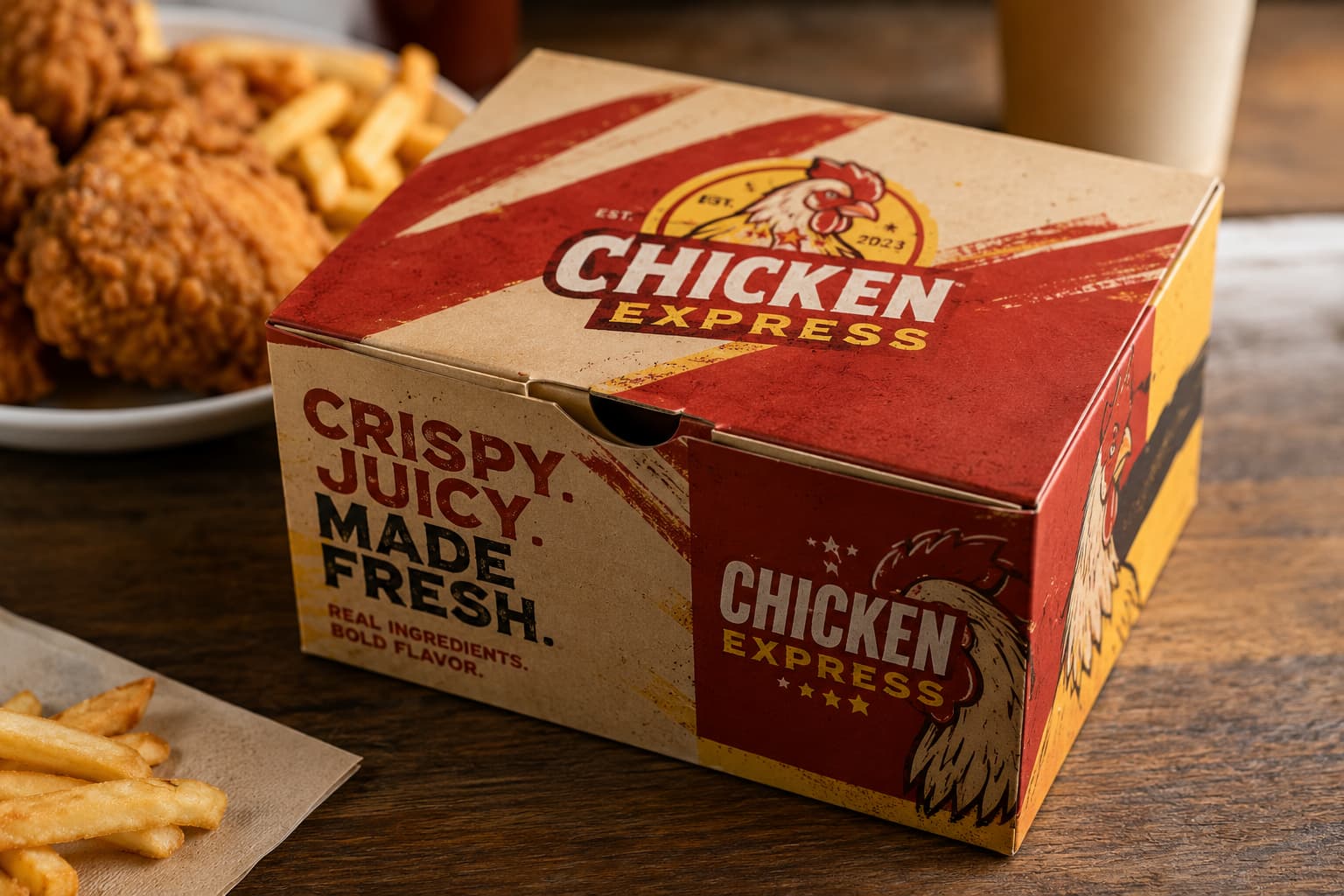
Types of Custom Food Packaging Boxes
Different food products need different packaging styles. Choosing the right box depends on product size, weight, freshness needs, delivery method, and brand image.
1. Custom Bakery Boxes
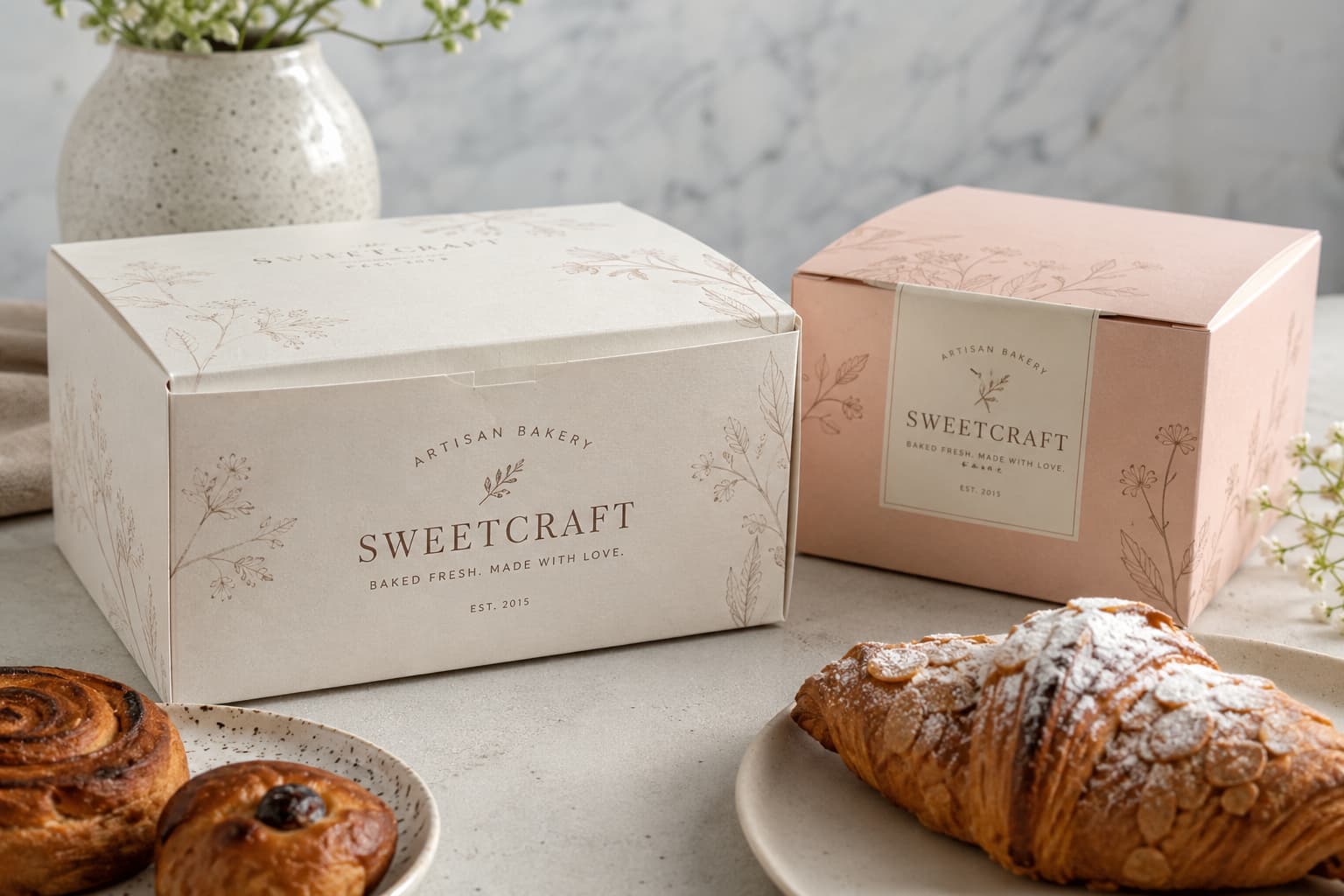
Bakery boxes are used for cakes, cupcakes, cookies, pastries, donuts, pies, and other baked goods. These boxes should protect the product while making it look fresh and attractive.
Window bakery boxes are popular because customers can see the product inside. Kraft bakery boxes work well for handmade and organic bakery brands. White printed bakery boxes can create a clean and premium look.
2. Custom Pizza Boxes
Pizza boxes need strength, heat handling, and good structure. A custom pizza box can include the restaurant logo, phone number, website, QR code, social media handles, and promotional message.
Pizza packaging is also a strong local marketing tool. Every delivery box can promote your restaurant.
3. Custom Coffee Boxes
Coffee packaging boxes are useful for coffee bags, coffee gift sets, single-serve packs, and retail coffee products. A premium coffee box can make the product look gift-ready and professional.
Coffee packaging often uses kraft, black, white, or earthy colors to communicate freshness, quality, and craft style.
4. Custom Snack Boxes
Snack boxes are used for chips, popcorn, dry fruits, protein snacks, candies, chocolates, and other packaged snacks. These boxes should be eye-catching and easy to recognize.
Snack packaging usually benefits from bold colors, clear flavor names, and strong branding.
5. Custom Takeaway Boxes
Takeaway boxes are used by restaurants, cafes, food trucks, and delivery businesses. These boxes should be practical, easy to carry, and suitable for the food type.
Custom takeaway packaging can improve the customer experience and make the business look more professional.
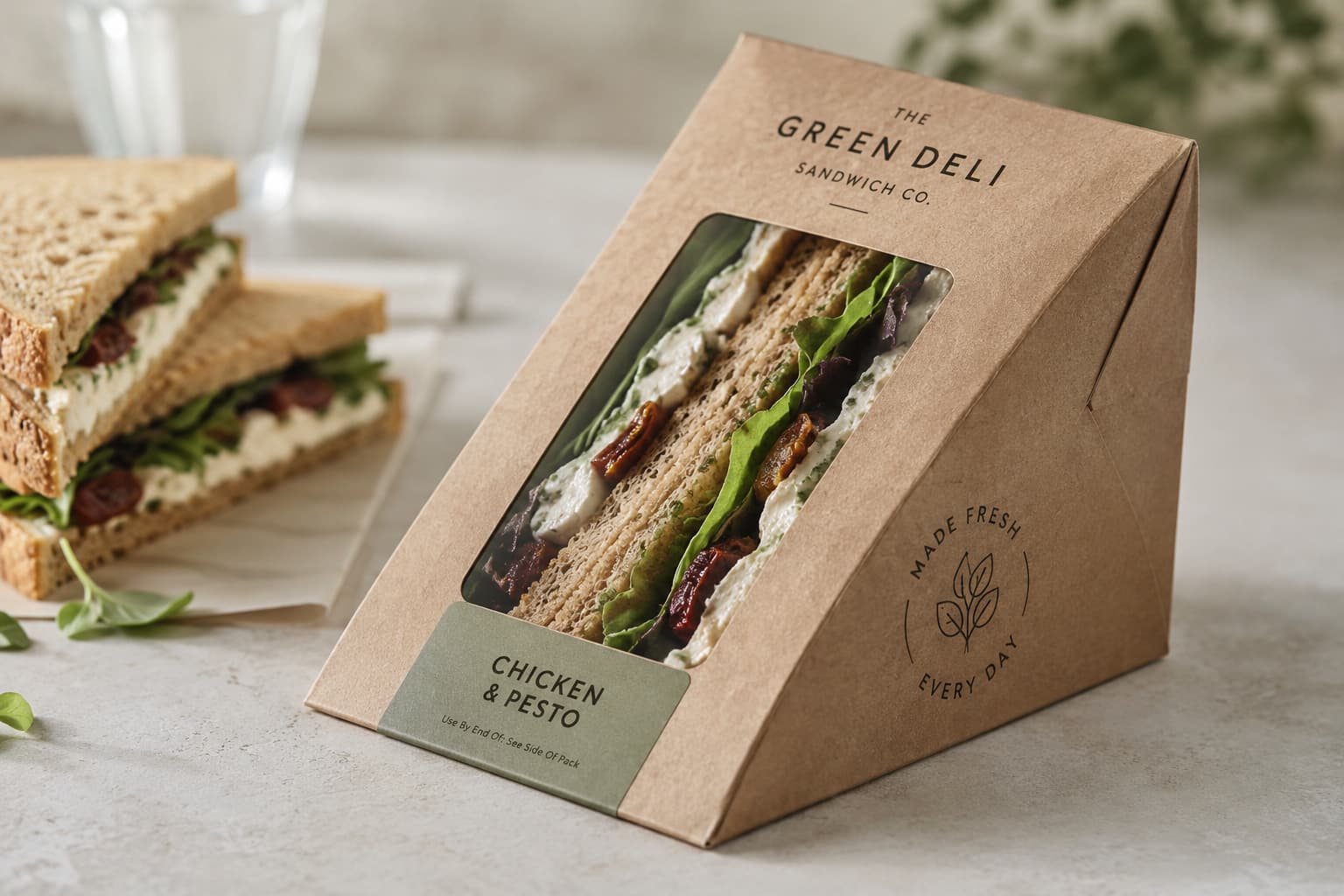
Choosing the Right Material for Food Packaging
Material choice is very important in food packaging. The box should match the product type, weight, presentation, and handling needs.
Cardstock is commonly used for lightweight food boxes, bakery boxes, snack boxes, and retail food packaging. It is printable and gives a clean appearance.
Kraft paperboard is popular for natural, organic, handmade, and eco-friendly food brands. It gives a simple and earthy look.
Corrugated cardboard is stronger and useful for pizza boxes, shipping boxes, bulk food packaging, and heavier food items.
Coated paperboard can be used when the packaging needs a smoother finish or better print quality.
Food businesses should also consider whether their packaging needs grease resistance, moisture resistance, or inner liners depending on the food type.
For a deeper understanding of materials, thickness, printing, and coatings, connect this blog with custom box printing, materials, and finishes.
Custom Food Boxes With Logo
Adding your logo to food packaging helps customers remember your brand. A logo turns a plain food box into branded packaging.
For restaurants, custom food boxes with logo can increase local recognition. For bakeries, branded boxes make products feel more gift-ready. For coffee and snack brands, logo packaging helps build shelf presence and trust.
Your logo should be placed clearly but not too large. It should work with the full design, not overpower it. The best food packaging designs usually keep the logo, product name, and key message easy to read.
You can also include your website, QR code, Instagram handle, phone number, or reorder link. This helps customers connect with your brand again after the purchase.
Eco-Friendly Food Packaging Boxes
Many food customers care about sustainability. Eco-friendly food packaging can help small businesses appeal to customers who prefer natural and responsible packaging choices.
Eco-friendly food packaging can include kraft paperboard, recycled paper, recyclable boxes, biodegradable options where suitable, soy-based inks, water-based coatings, and minimal packaging designs.
Kraft food boxes are especially popular for bakeries, cafes, organic food brands, handmade food businesses, and natural snack companies. They create a simple, clean, and trustworthy appearance.
However, eco-friendly packaging should still protect the product. Weak packaging can lead to damage, spills, returns, and waste. The best solution is packaging that balances sustainability, strength, and product presentation.
For more sustainable packaging ideas, connect this page with eco-friendly custom packaging boxes.
Printing Options for Food Packaging Boxes
Printing helps food packaging become attractive and professional. The right printing method depends on order quantity, design complexity, material, and budget.
Digital printing is useful for small businesses, low MOQ orders, and colorful designs. It is a good option for startups testing packaging designs.
Offset printing is better for larger orders and premium print quality. It gives sharp colors and clean details, which is useful for retail food packaging.
Flexographic printing can work well for simpler designs, kraft packaging, corrugated boxes, and larger runs.
Food packaging design should be clear and readable. Product name, flavor, logo, and key details should be easy to understand quickly. Avoid overcrowding the box with too many messages.
Design Tips for Custom Food Packaging Boxes
Good food packaging design should make the product look fresh, clean, and valuable. Customers should understand what the product is within a few seconds.
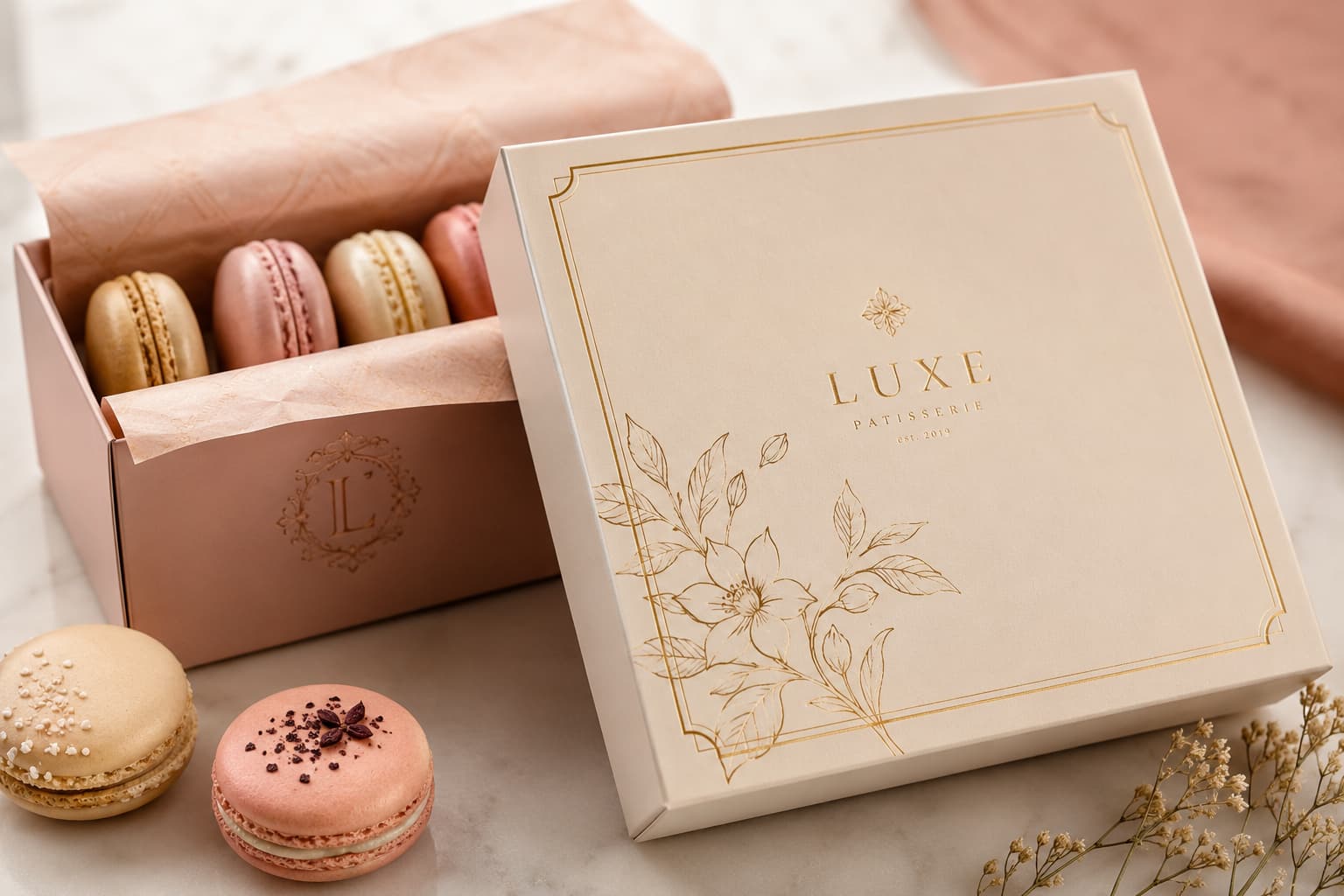
Use colors that match the food type. Brown, cream, green, and beige work well for natural or organic foods. Red, yellow, and orange can feel energetic and appetizing. Black, white, and gold can create a premium look for chocolates, coffee, or luxury bakery items.
Use readable fonts. Food packaging should not be hard to understand. The product name, flavor, and brand name should be clear.
Use high-quality images or illustrations only when they improve the design. Poor images can make packaging look cheap.
Keep the front panel clean. Use the front for logo, product name, flavor, and key selling point. Use the side or back panels for ingredients, nutrition, barcode, instructions, and extra details.
Custom Food Packaging for Bakeries
Bakeries need packaging that protects delicate products and makes them look fresh. Cakes, cupcakes, cookies, donuts, and pastries need boxes that fit properly and prevent damage.
Custom bakery boxes can include windows, handles, inserts, dividers, or special structures depending on the product. A window can help customers see the product before buying, which is useful for colorful or decorated bakery items.
Bakery packaging should feel clean and appetizing. White boxes create a classic bakery look. Kraft boxes create a handmade and natural look. Full-color printed boxes can help modern bakery brands stand out.
For gifting, bakery boxes can be upgraded with ribbons, foil printing, custom sleeves, or thank-you cards.
Custom Pizza Boxes for Restaurants
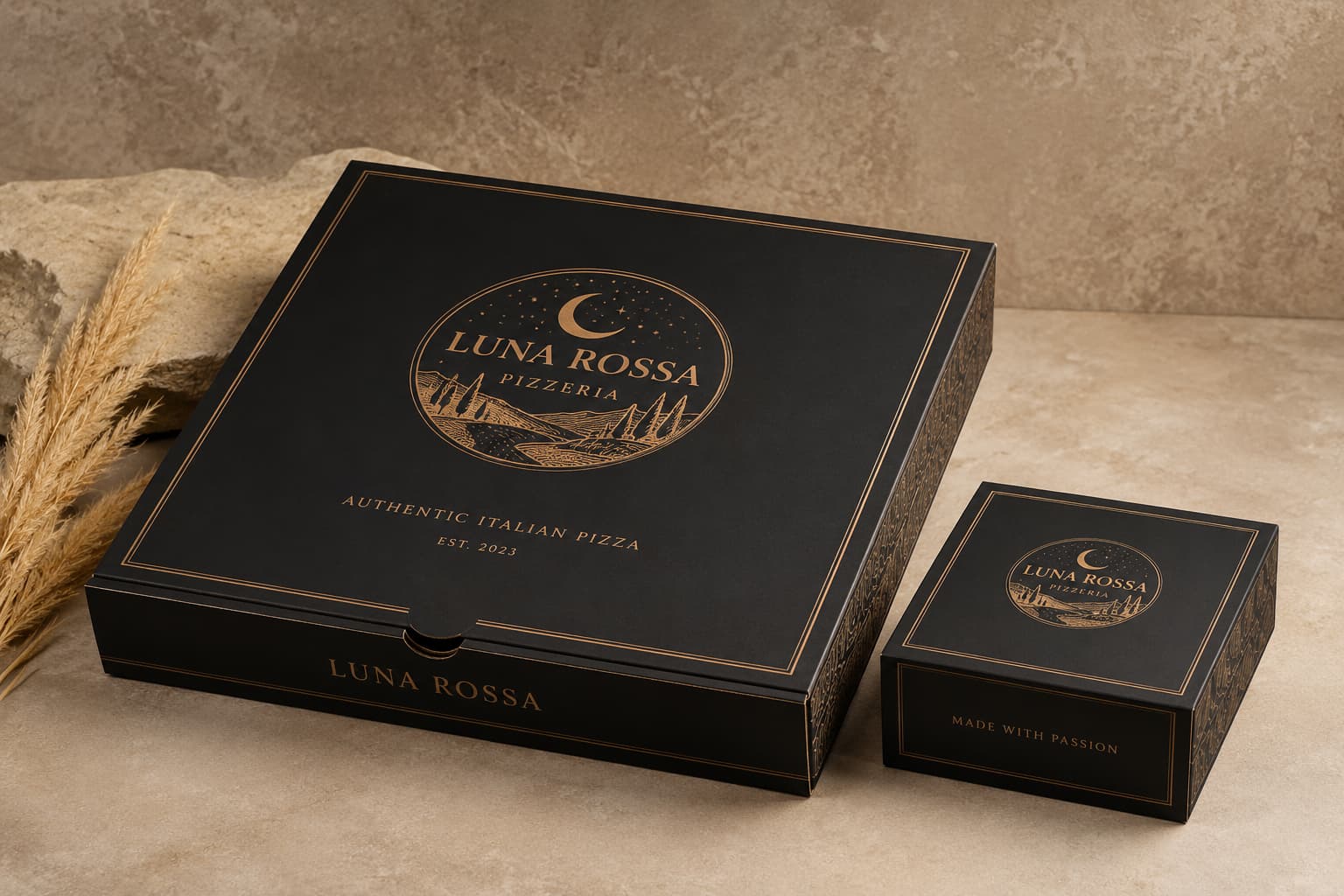
Pizza boxes are one of the most visible types of food packaging. Every order leaves your restaurant with your brand on it. That makes pizza packaging a strong marketing tool.
Custom pizza boxes can include your restaurant logo, tagline, phone number, QR code, website, social media handles, and special offers. This helps customers reorder easily.
Pizza box design should be bold and easy to recognize. Since pizza boxes are large, there is plenty of space for branding.
The material should be strong enough to hold the pizza and maintain presentation during delivery or pickup. Corrugated cardboard is commonly used because it offers strength and structure.
Custom Coffee Packaging Boxes
Coffee packaging should communicate freshness, quality, and brand personality. Coffee brands often use custom boxes for coffee bags, gift sets, sampler packs, and retail displays.
A coffee box can include roast type, flavor notes, origin, brewing suggestions, barcode, and QR code. This makes the packaging more useful and professional.
Design style depends on the brand. A premium coffee brand may use black, white, gold, or deep brown colors. A natural coffee brand may use kraft, cream, green, or earthy tones.
Custom coffee packaging can also make products more gift-ready, especially for holiday bundles and subscription boxes.
Custom Snack Boxes
Snack packaging needs to be attractive and easy to recognize. Customers often make quick decisions when buying snacks, so the design should catch attention fast.
Custom snack boxes can use bold colors, flavor labels, product images, fun typography, and clear branding. The packaging should show what makes the snack different.
For health-focused snacks, packaging should look clean and trustworthy. For fun snacks, packaging can be more colorful and playful. For premium snacks, packaging should feel clean, minimal, and high-quality.
Snack boxes can also include serving suggestions, ingredients, nutrition details, and QR codes.
Custom Food Packaging for Ecommerce
Selling food online requires packaging that protects the product during shipping and creates a strong customer experience. The packaging should be durable, properly sized, and suitable for the product type.
Dry food products, coffee, snacks, sweets, and gift boxes can often be shipped in custom mailer boxes or outer shipping boxes. Inner food packaging should keep the product safe, while outer packaging protects it during delivery.
Ecommerce food packaging should also be easy to open and attractive when received. A branded outer box or printed insert can improve the unboxing experience.
For food businesses selling online, packaging must balance freshness, protection, branding, and shipping cost.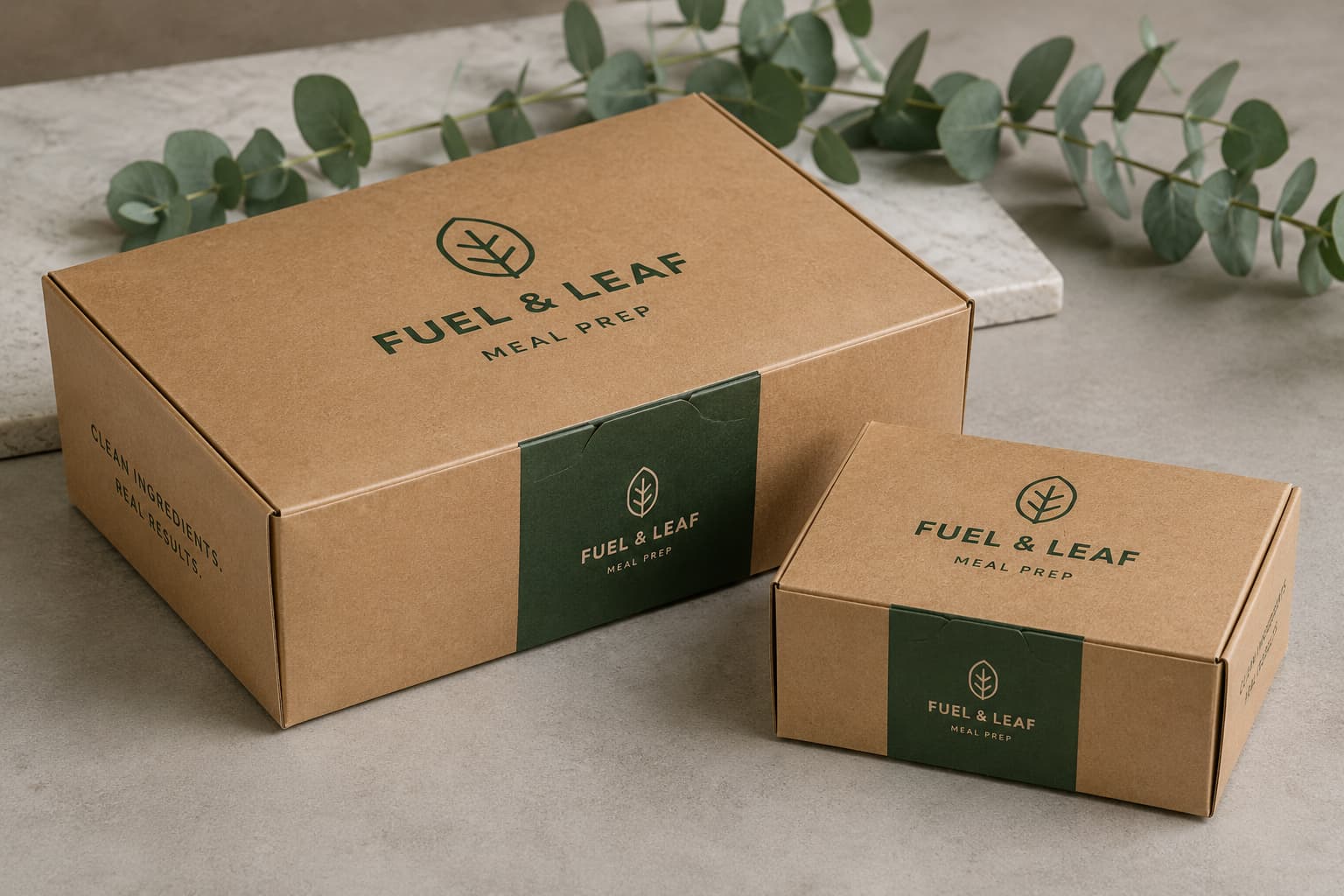
How Food Packaging Builds Customer Trust
Customers want food products to look clean and reliable. Packaging plays a big role in that trust.
A professional food box with clear branding and organized information feels more trustworthy than generic packaging. Customers can see the brand name, product details, ingredients, and other important information.
Packaging also helps show care. If a food product arrives in a neat, well-designed box, customers feel the business is serious about quality.
Trust is especially important for new food businesses. Customers may not know your brand yet, so packaging helps create the first impression.
Common Mistakes in Food Packaging
One common mistake is using packaging that does not fit the product. A box that is too large can make the product move around and look poorly packed. A box that is too small can damage the product.
Another mistake is weak branding. If the box does not show your logo or brand style clearly, customers may forget your business.
A third mistake is using too much text. Food packaging should be clear, not crowded. Customers should understand the product quickly.
Some brands also choose material only based on price. Cheap packaging may save money at first, but if it damages the product or looks unprofessional, it can hurt the brand.
Another mistake is ignoring photography. Food packaging should look good in product photos, delivery photos, social media posts, and menus.
How to Choose the Best Food Packaging
Start by identifying your product type. Is it dry, baked, hot, cold, fragile, oily, gift-ready, or retail-ready? The packaging should match the product’s needs.
Next, think about where the product will be sold. Retail shelf packaging needs strong visual appeal. Takeaway packaging needs practicality. Ecommerce packaging needs shipping protection.
Then choose the right material. Kraft works well for natural food brands. Cardstock works for printed retail boxes. Corrugated cardboard is better for stronger packaging and delivery.
After that, choose your design style. Keep it clean, readable, and consistent with your brand.
Finally, consider your order quantity and budget. Low MOQ custom boxes are useful for small food businesses that want to test packaging before ordering large quantities.
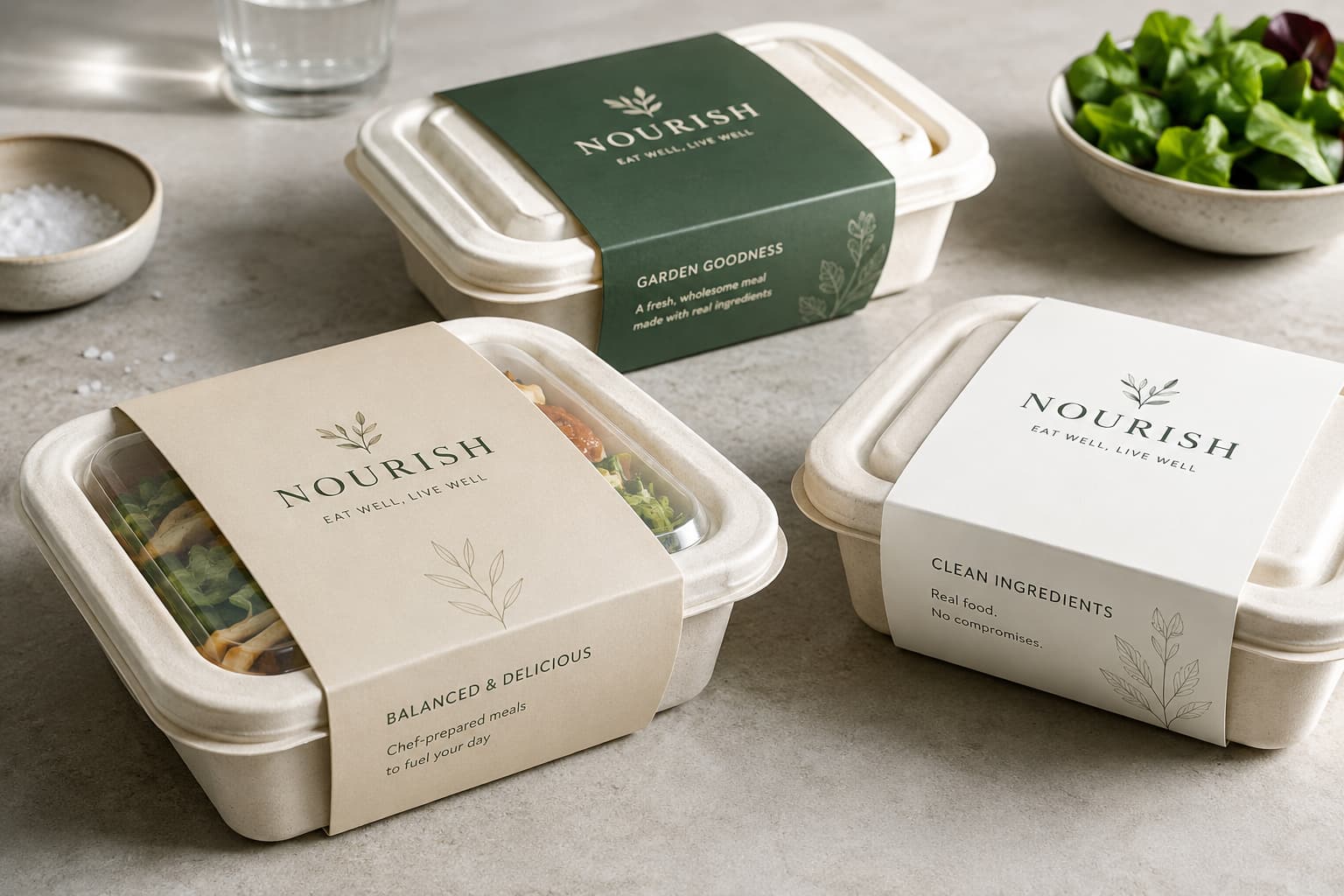
Why Choose Hola Custom Boxes for Food Packaging
Hola Custom Boxes helps food brands create custom food packaging boxes that look professional, support branding, and match product needs. Whether you need bakery boxes, pizza boxes, coffee boxes, snack boxes, takeaway boxes, or retail food packaging, the goal is to create packaging that works for your business.
Small food businesses often need help with sizing, materials, printing, and design. Hola Custom Boxes can help with custom sizes, logo printing, material options, design support, and packaging recommendations.
With low MOQ options, free design support, custom printing, and fast USA shipping, food brands can create professional packaging without overcomplicating the process.
Final Thoughts
Custom food packaging boxes help small businesses protect products, improve presentation, and build customer trust. The right packaging can make food products look more professional, more memorable, and more valuable.
For bakeries, restaurants, coffee brands, snack companies, and ecommerce food sellers, packaging is part of the customer experience. It affects how the product looks, how customers feel, and whether they remember your brand.
The best food packaging is not just attractive. It is practical, protective, clear, and aligned with your brand identity.
Call to Action
Ready to upgrade your food packaging? Contact Hola Custom Boxes today to get custom food packaging boxes with logo printing, low MOQ options, free design support, and fast USA shipping.
FAQs
What are custom food packaging boxes?
Custom food packaging boxes are branded boxes designed for food products such as bakery items, pizza, coffee, snacks, popcorn, chocolates, and takeaway foods.
Can I print my logo on food packaging boxes?
Yes. Custom food boxes can be printed with your logo, brand colors, product name, ingredients, QR code, barcode, and other important details.
What material is best for food packaging boxes?
The best material depends on the product. Cardstock, kraft paperboard, coated paperboard, and corrugated cardboard are common options for food packaging.
Are custom food packaging boxes good for small businesses?
Yes. They help small food businesses look more professional, improve product presentation, and create stronger brand recognition.
Can food packaging boxes be eco-friendly?
Yes. Food boxes can use kraft paperboard, recycled paper, recyclable materials, soy-based inks, and minimal packaging designs.
What food products can use custom boxes?
Custom boxes can be used for bakery items, pizza, coffee, snacks, popcorn, pasta, chocolates, sweets, dry foods, gift sets, and takeaway products.
How much do custom food packaging boxes cost?
Cost depends on box size, material, printing method, finish, quantity, and design complexity. Simple kraft or one-color boxes usually cost less than premium printed boxes.
Can Hola Custom Boxes help with food box design?
Yes. Hola Custom Boxes can help with custom sizing, dielines, material selection, printing options, and design support for food packaging boxes.