
A Guide To Choosing The Right Materials For Custom Soap Boxes
2026-06-10 23:29:57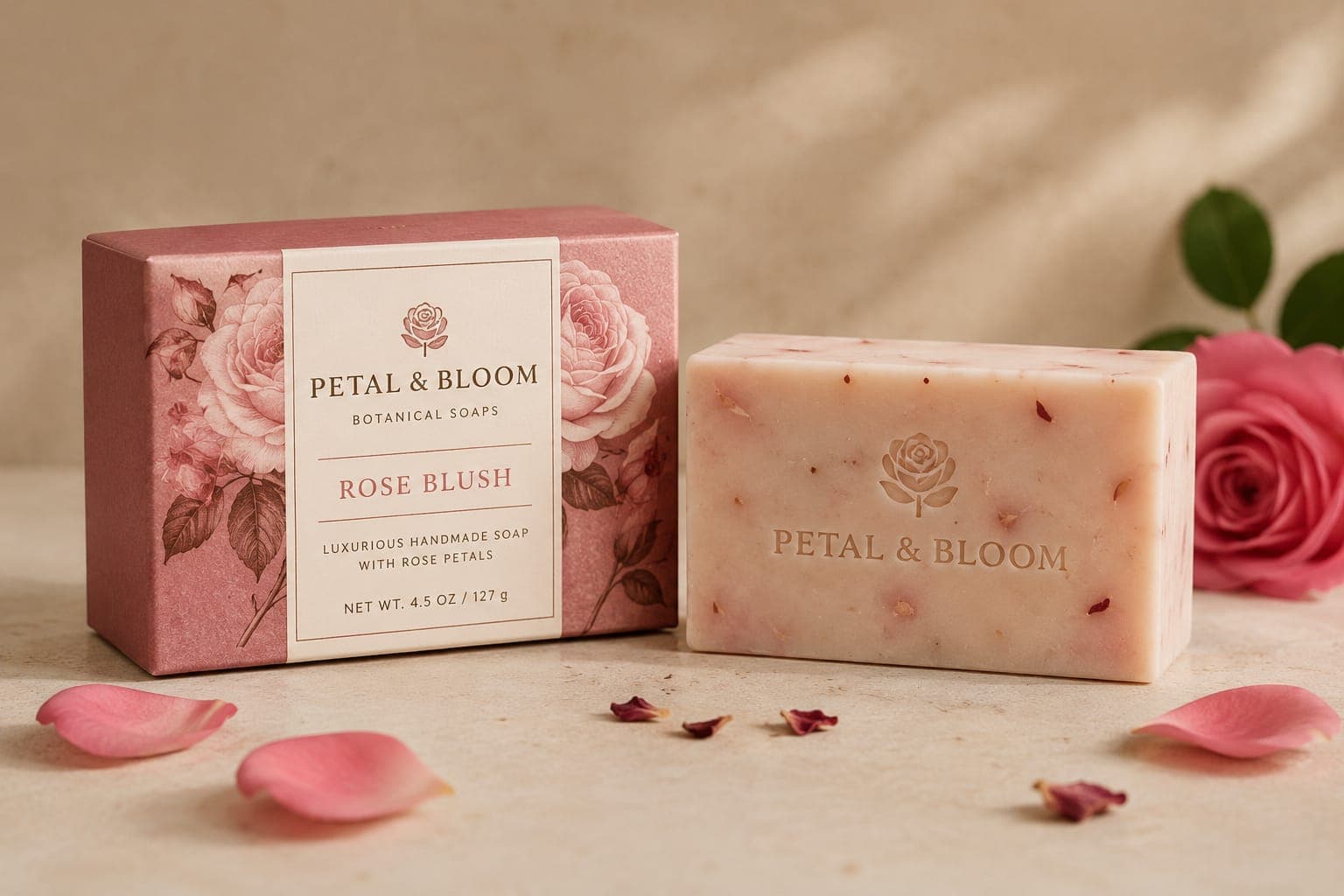
Are you looking to create custom soap boxes that perfectly showcase your brand and products? Choosing the right materials is essential for ensuring durability, elegance, and sustainability. In this guide, we will walk you through the available options, helping you make an informed decision.
First, let's explore the durability of cardboard. It is a cost-effective, versatile material that withstands the rigors of shipping and handling.
Next, we'll discuss the elegance of tin, which adds a touch of sophistication to your packaging. Plastic options will also be explored, as they offer flexibility and transparency.
Furthermore, we will delve into sustainable, eco-friendly materials, which are increasingly crucial to environmentally conscious consumers.
Finally, we will provide you with factors to consider when choosing materials, such as budget, branding, and product protection.
By the end of this guide, you will have the knowledge and confidence to select the perfect materials for your custom soap boxes. Let's get started!
If your business sells handmade or branded soap, choosing the right material is one of the most important packaging decisions. A good soap box protects the product, explains the brand, improves presentation, and helps customers remember your business. For a complete soap packaging strategy, read our custom soap boxes and wrappers pillar, where we explain box styles, wrappers, materials, printing options, and design ideas for handmade soap brands.
How to Choose the Best Material for Custom Soap Boxes
Choosing the right material for custom soap boxes depends on your soap type, brand style, budget, and selling method. A handmade soap brand may need natural-looking kraft paperboard, while a luxury skincare brand may prefer smooth white cardstock with premium printing. The material should not only look good, but also protect the soap, support branding, and make the product feel professional.
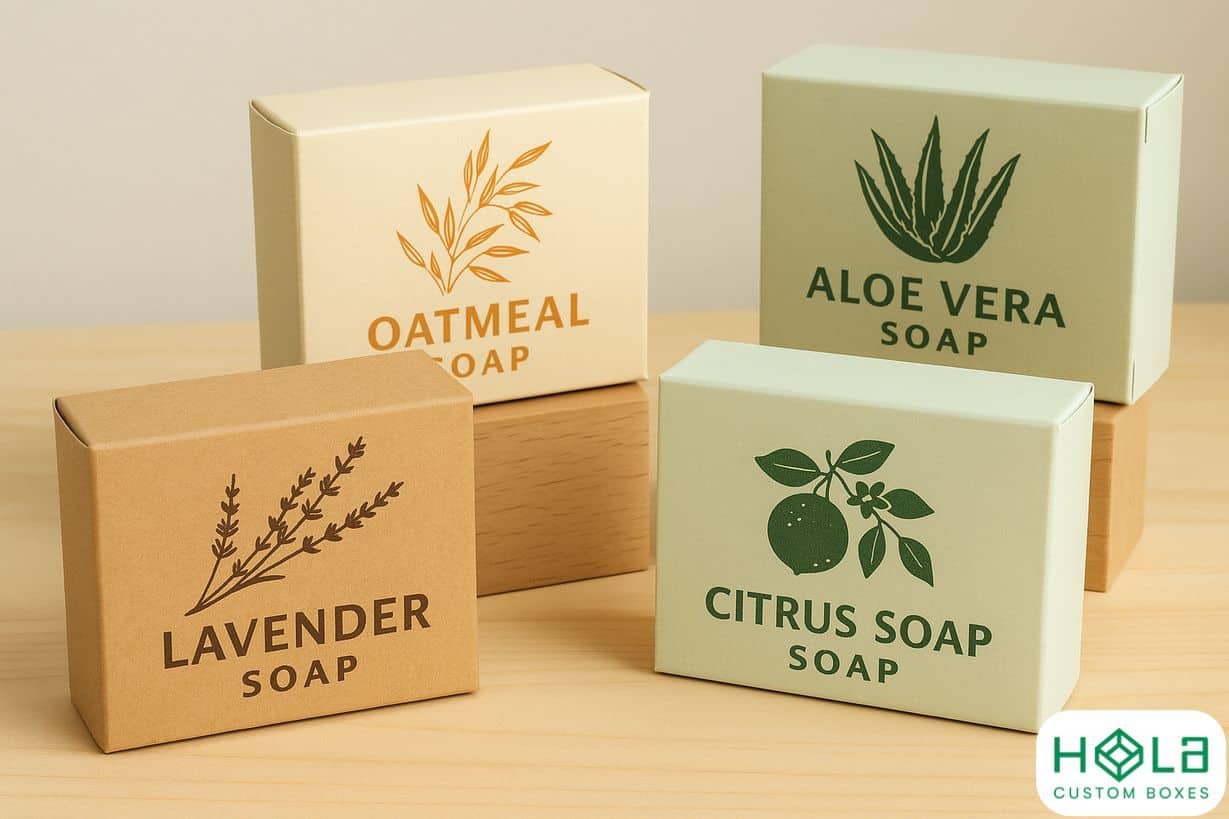
For handmade soap businesses, kraft paperboard is one of the most popular choices. It gives the packaging a natural, simple, and eco-friendly appearance. This material works well for organic soaps, herbal soaps, goat milk soaps, charcoal soaps, and other natural personal care products. Kraft soap boxes also pair well with minimal printing, black logos, soft green colors, and earthy design styles. If your soap brand wants to look handmade, clean, and honest, kraft packaging is a strong option.
Cardstock is another common material for custom soap boxes. It is smooth, printable, and suitable for colorful designs. This is a good choice for brands that want full-color printing, detailed artwork, scent-based designs, or a more polished retail look. Cardstock works well for soap brands selling in boutiques, online stores, gift shops, hotels, and skincare markets. It gives more design flexibility than plain kraft because colors and graphics usually appear sharper on a white or coated surface.
For premium soap brands, coated paperboard can create a more refined appearance. A matte finish can make the box feel modern and soft, while gloss coating can make colors look brighter. Soft-touch coating can add a luxury feel, especially for high-end soap collections, spa products, and gift sets. If your brand uses foil stamping, embossing, or spot UV, choosing the right coated stock becomes even more important because the finish needs a smooth surface to look clean.
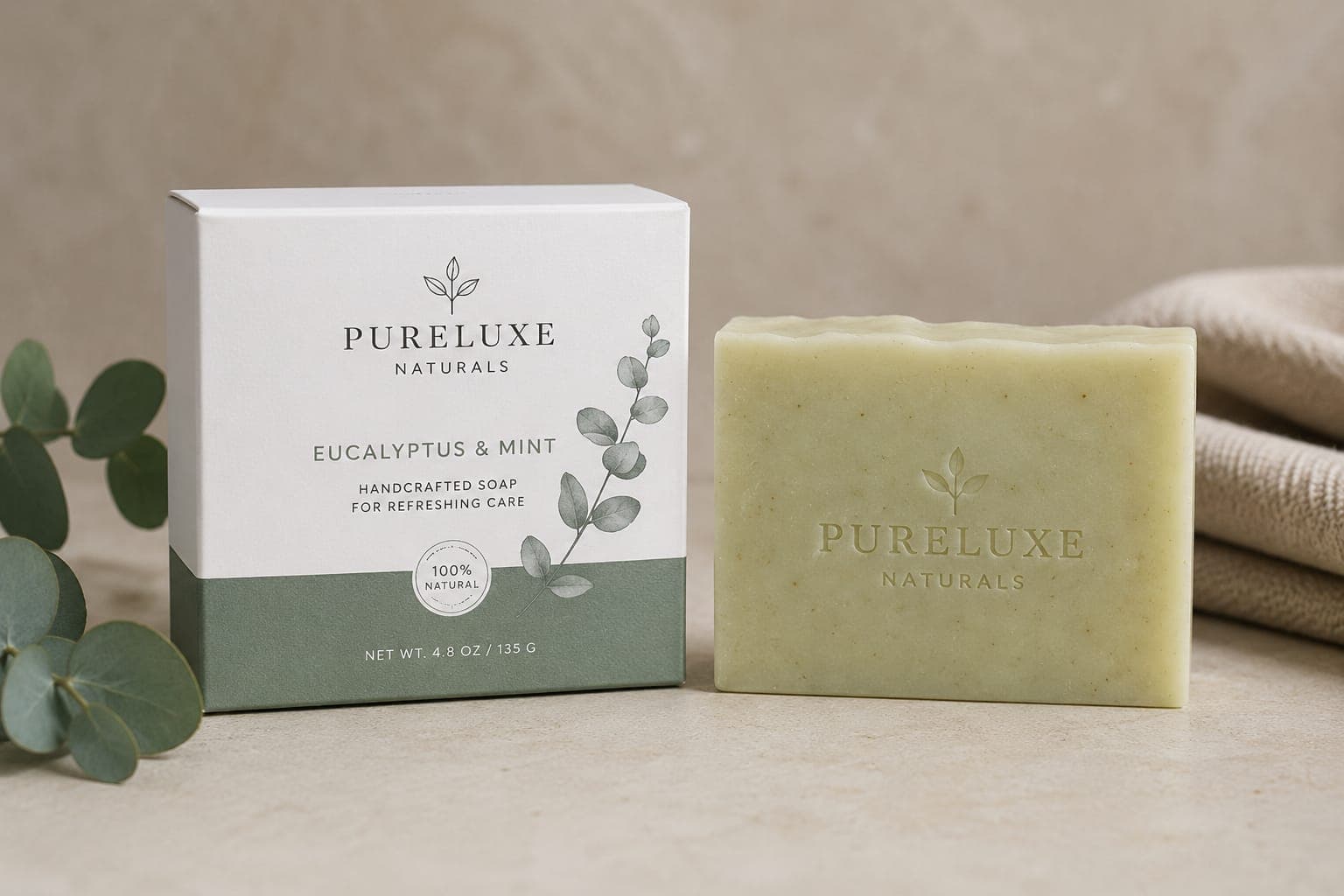
Another mistake many brands make is choosing material only by price. Cheap material may save money at first, but it can make the product look less valuable. If the box feels thin or poorly printed, customers may think the soap itself is low quality. A slightly better material can improve presentation, product photos, retail display, and customer trust.
The best material for custom soap boxes is the one that supports your product and your brand message. Handmade soaps may need a warm and natural look. Retail soaps may need strong print quality and shelf appeal. Gift soaps may need thicker material and premium finishes. Ecommerce soaps may need stronger packaging support. Before ordering, brands should compare material strength, design goals, print quality, sustainability, and budget.
The Durability of Cardboard
When choosing cardboard for custom soap boxes, durability is essential. You want your soap boxes to withstand the rigors of shipping and handling without getting damaged.
Cardboard is known for its strength and durability, making it an excellent choice for packaging. It can withstand pressure and protect your soap from any potential damage during transportation. The thickness and quality of the cardboard can vary, so choose a durable option that suits your needs.
Additionally, cardboard is eco-friendly because it can be recycled and reused, reducing your environmental impact.
When selecting materials for your custom boxes, choose cardboard to ensure durability and product protection.
Printing quality should also guide your material choice. If your design includes detailed artwork, gradients, scent illustrations, or premium brand colors, smooth cardstock or coated paperboard may be better. If your design is simple and natural, kraft paperboard may be enough. For more technical details about paper thickness, coatings, printing methods, and premium finishes, link this blog to custom box printing, materials, and finishes so readers can understand how material choice affects final packaging quality.
The Versatility of Plastic in Soap Packaging
Plastic offers a wide range of benefits, making it an excellent choice for custom soap boxes. Its lightweight nature reduces shipping costs and makes storage more efficient, while its durability ensures that packaging remains intact during transport. Plastic also provides strong moisture protection, which is essential for preserving the quality and freshness of soap products.
Design Flexibility and Material Options
One of plastic's greatest advantages is its ability to be molded into various shapes and sizes, enabling creative, eye-catching packaging designs. Whether you’re aiming for a sleek, modern look or something more unique, plastic can accommodate your vision. With materials like PET and PVC available, you can choose the best type based on your specific needs—balancing clarity, strength, and cost-effectiveness. Embracing plastic opens endless possibilities for functional, attractive soap packaging.
If your soap is sold online, you should also think about shipping. A lightweight soap box may look good on its own, but it may still need an outer mailer or shipping box for delivery. For ecommerce soap brands, the inner soap box should protect the product’s presentation, while the outer packaging should protect it during transit. This helps customers receive the soap in clean, professional condition.
Brand positioning is another important factor. Natural soap brands often look better with kraft or recycled paperboard. Luxury soap brands may look better with white cardstock, foil details, or soft-touch finishes. Fun and colorful soap brands may need bright printing and smooth coated stock. Minimal brands can use simple paperboard with clean typography and limited colors.
Sustainable and Eco-Friendly Materials
Consider the environmental impact you can make by opting for sustainable, eco-friendly materials in your packaging choices. When it comes to custom soap boxes, several options are both sustainable and eco-friendly.
Businesses should also think about sustainability. Many soap customers care about eco-friendly choices, so recyclable, kraft, recycled, or plastic-free packaging can improve brand trust. However, sustainability should not mean weak packaging. The best soap box material should be responsible, durable, and attractive at the same time. To build a stronger natural packaging strategy, you can connect this topic with eco-friendly custom packaging boxes for more kraft, recycled, and low-waste packaging ideas.
.jpg)
One popular choice is recycled cardboard. By using recycled cardboard, you are not only reducing waste but also promoting the reuse of materials.
Another option is biodegradable materials such as kraft paper or bamboo. These materials break down readily in the environment, reducing overall landfill impact.
Additionally, you can choose soy-based inks for printing on your soap boxes. These inks are made from renewable resources and have a lower environmental impact compared to traditional petroleum-based inks.
By choosing sustainable and eco-friendly materials for your soap box packaging, you are making a positive contribution to the environment.
Factors to Consider When Choosing Materials
When selecting packaging materials, it's crucial to consider the environmental impact of our choices and the future of our planet.
There are several factors to consider when choosing materials for custom soap boxes. First, consider the material's durability. You want a material that will protect your soap during transportation and storage.
Next, consider the cost. Find a balance between affordability and quality.
Additionally, consider the material's aesthetic appeal. Your soap boxes should reflect your brand's image and attract customers.
Lastly, consider the material's sustainability. Opt for materials that are recyclable, biodegradable, or made from renewable resources.
By considering these factors, you can choose the right materials that will not only protect your soap but also contribute to a greener future.
Need the right material for your soap packaging? Contact Hola Custom Boxes today for custom soap boxes with logo printing, kraft and premium material options, free design support, low MOQ, and fast USA shipping.
FAQs
What is the best material for custom soap boxes?
Kraft paperboard is best for natural and handmade soap brands, while cardstock is better for colorful printed soap boxes. Premium soap brands can use coated paperboard with matte, gloss, foil, or soft-touch finishes.
Are kraft soap boxes good for handmade soap?
Yes. Kraft soap boxes are a strong choice for handmade soap because they look natural, simple, and eco-friendly. They work well for organic, herbal, and artisan soap brands.
Can soap boxes be eco-friendly?
Yes. Soap boxes can be made with kraft paperboard, recycled paper, recyclable materials, minimal printing, and plastic-free designs. The material should still be strong enough to protect the soap.